
Tennessee authorities faced a chaotic and unprecedented scene Wednesday night when the state failed to execute Christa Pike, the only woman currently on its death row. Despite a late clearance from the Supreme Court to proceed, the execution ended in disorder after two rounds of lethal injections failed to kill her. Witnesses reported hearing Pike complain of intense pain, claiming her arm felt as though it were bursting open, while others noted she continued breathing and moving long after the drugs were administered.
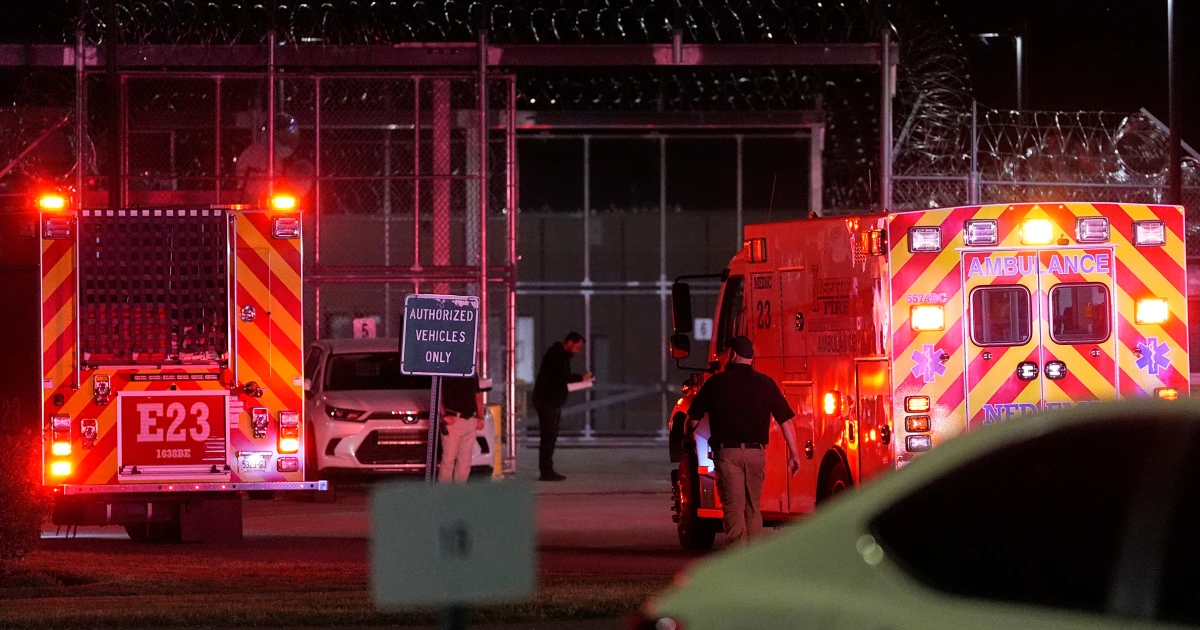
The aftermath was described as a disaster by those present, including May Martinez, the mother of Pike’s victim. Martinez expressed outrage toward state officials, calling the event a mess and criticizing the lack of communication provided to grieving families as they were ushered out of the building. Eventually, an ambulance arrived at the prison to transport Pike to an off site medical facility for treatment. While her exact condition remains unclear, her attorneys confirmed that she maintained a heartbeat and consciousness throughout much of the ordeal.
Governor Bill Lee responded to the failure by ordering a comprehensive third party review to investigate how such a breakdown occurred. In a move reflecting the severity of the malfunction, Lee announced that any other executions scheduled for this year in Tennessee have been halted. This marks the second significant failure in the state’s capital punishment system recently; earlier this year, another inmate was granted a reprieve after executioners struggled to locate a viable vein for an intravenous line.
The botched procedure adds another layer of controversy to a case that has haunted Tennessee since 1995, when then eighteen year old Pike murdered classmate Colleen Slemmer in a brutal crime involving torture and occult imagery. While prosecutors emphasized the cruelty of the murder, Pike’s defenders have pointed to her youth and history of mental illness as reasons for clemency. For now, however, Pike survives in medical care while the state grapples with questions regarding its ability to legally and humanely carry out death sentences.